Eight characters, decade cycles, and a practical guide to the year ahead.
Saju is a Korean interpretive tradition rooted in East Asian philosophy and culture. It uses the Four Pillars of birth to explore the relationships between the Five Elements and the changing cycles of life.
Demonstration chart · Not calculated from your birth details. Calculation and interpretation review is still in progress.
Summary view: open any explanation to read more.
01 / Complete Saju Reading
Your Four Pillars · 사주팔자
Year甲申Heavenly stem / Earthly branch
Month庚午Heavenly stem / Earthly branch
Day乙丑Day Master: 乙
Hour壬午Heavenly stem / Earthly branch
Example chart inputs: 15 June 2004 · 12:00 · female · fixed UTC+08:00 research clock. No birth city or overseas time-zone correction has been applied. The live service will require a birth city.
02 / Complete Saju Reading
Your life overview · 총운
Three perspectives on a fuller life
Prosperity. Wellbeing. Contentment.
Explore money, everyday balance, and personal fulfillment through the lens of Korean Saju.
Interpretations of the demonstration chart below are under review. They are not a measurement of your finances, health, or happiness.
01 / 재물 총평
Your relationship with money.
Turn possibility into something you can sustain.
Look beyond a promising opportunity: consider the time, resources, and consistency it asks of you.
Saju anchors 乙 Day Master · 戊 / 正财 in 申 · 己 / 偏财 in both 午 branches and 丑.
Read your wealth perspective
In the displayed chart, the candidate system identifies both 正财, Direct Wealth, and 偏财, Indirect Wealth, within hidden stems. These names describe relationships to the 乙 Day Master. Their presence does not reveal your income or establish that you will become wealthy.
A traditional interpretive question is how you relate to dependable commitments and changing opportunities. Picture an idea that feels exciting at first: a project, a skill, or something you hope to offer others. The next chapter begins when you ask what it would take to maintain it. That is where interest meets resources, and where a possibility becomes a choice.
This reading invites you to hold both questions together: “What could this become?” and “What can I realistically support?” The hidden Wealth labels provide a starting point for that reflection; their usefulness or difficulty in a complete Saju reading still depends on chart strength, season, and the wider relationships.
The 2017–2026 research cycle has 戊 on its stem, also labeled 正财. That gives a reader a specific natal-to-cycle relationship to examine. It does not establish a favorable financial decade, and it is not a recommendation to invest or borrow.
Risk management
Before a commitment, check the actual cost, ongoing obligations, and what happens if plans change. Do not use a Wealth label as evidence that a risk will pay off.
You can value opportunity and still move at a pace your life can support.
02 / 건강 총평
A rhythm you can return to.
Make room for effort, recovery, and support.
Use the Five Elements as a cultural lens for reflection on daily balance, alongside your real needs.
Saju anchors 乙 / Wood · 庚 / Metal · 壬 / Water · 午 appears twice. Element strength and personal health are not established by these observations.
Read your wellbeing perspective
The chart contains several elemental relationships and a repeated 午 branch. Within Saju, these are interpreted in the context of a whole configuration. Counting the characters does not tell us that an organ is weak, that an illness is present, or that a particular treatment is needed.
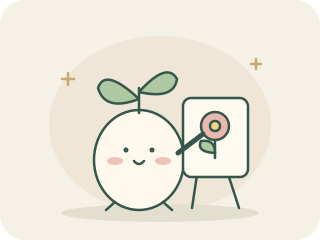
For everyday reflection, return to the opening image of a plant, a frame, and water. The frame offers direction, but growth also needs space and support. As a way of thinking about routine, the image asks whether you allow recovery to have a place alongside effort.
Imagine finishing a demanding day and immediately measuring it by everything still unfinished. A gentler question is what the day actually required of you. Your schedule, workload, and lived experience can tell you something concrete; the chart cannot diagnose their effect on your body.
The useful response is to notice patterns in your actual life and choose a sustainable routine. Any physical or mental health concern should be assessed through appropriate healthcare, rather than inferred from the Five Elements.
Risk management
Avoid interpreting a difficult period as a diagnosis. Give real symptoms and healthcare guidance priority over a chart interpretation.
Caring for yourself belongs in your life, even when there is more you want to achieve.
03 / 행복지수 총평
What makes life feel like yours?
Look for meaning in direction, connection, and expression.
A qualitative happiness overview: explore what supports fulfillment, without assigning your life a numerical score.
Saju anchors 乙 / 日主 · 壬 / 正印 · 丁 / 食神 within 午. These labels are interpretive prompts, not a psychological happiness measure.
Read your happiness perspective
This section brings together the Day Master as a reference point, the Resource label 正印, and the expression label 食神. In this Saju interpretation, they invite questions about having a direction of your own, being able to receive support, and giving form to something meaningful.
Imagine a day that looks successful from the outside but leaves you strangely unsatisfied. Then imagine a smaller day: a conversation in which you felt understood, or a piece of work that finally expressed what you meant. These are possible scenes to reflect on, not events the chart says you have experienced.
The question is what makes the difference for you. Is it recognition, room to choose, time with someone, or a sense that your effort belongs to something you value? A Saju reading can provide a vocabulary for exploring these questions, but your own experience supplies the answer.
There is no established numerical happiness scale in this report. A displayed score would imply a method of measurement that has not been developed or validated. The overview therefore remains qualitative: direction, connection, expression, and the balance between them.
Risk management
Do not force your experience to fit the reading. Notice when comparison or an external standard crowds out what matters to you, and check that impression against real examples.
Your life does not need a perfect score to hold moments that matter.
Start here乙 · Your Day Master
The reference point for the relationships in this chart.
Notice the connection庚 / 正官 · 壬 / 正印
A Saju perspective on standards and support.
Take one stepMake a clear request.
A reflection prompt—not a prediction of what you must do.
Through the lens of Saju
A climbing plant, a frame, and a source of water.
Picture a plant finding its way up a garden frame. It does not grow by becoming the frame. It grows by finding a direction of its own, using support without surrendering its shape. This image offers a Saju perspective on the relationships between the elements in this chart. Saju is a Korean tradition of interpreting life’s patterns and cycles through the Four Pillars of birth.
This Saju interpretation begins with 乙, the Yin Wood Day Master. “Day Master” is a reference point: the other elements are named in relation to it. Beside it, the month stem is 庚, classified as 正官, Direct Officer; the hour stem is 壬, classified as 正印, Direct Resource. In this Saju interpretation, the frame represents standards and responsibility, while water represents the space to learn and receive support. These are proposed symbolic interpretations of the named relationships, not measured personality traits.
Now look below the stems. 午 appears twice, in the month and hour positions. Each occurrence contains the hidden stems 丁 and 己 in the candidate system, classified here as 食神 and 偏财. The same two characters reappear in different positions. That repetition gives a reader something specific to investigate; it does not entitle us to say that Fire is “twice as powerful” or that a particular event must happen.
One possible narrative question is therefore: How do you turn learning into something you can express, and expression into something useful, without making every interest into an obligation? That question connects Resource, expression, and Wealth vocabulary. A full interpretation would still need seasonal strength, roots, interactions, and a declared interpretive method before deciding which of these relationships is helpful or difficult.
How this could show up in work and relationships
Imagine a work meeting in which you can see several ways to solve a problem. You wait until the idea feels polished enough to share. In this hypothetical scene, care for standards supports quality—but it could also delay a useful contribution. The invitation is small: offer a first draft and name what still needs testing. Nothing in the chart proves that you behave this way; the scene gives you a concrete pattern to compare with your experience.
The relationship version of the same question may be less about being independent and more about being understandable. If you quietly organize everything, another person may not see the care behind the effort. Try making one intention visible: “I planned this because I wanted us to have time together.” The interpretation becomes useful when it helps you observe and choose, not when it tells you who you must be.
Chart anchors: 日干乙 · 月干庚/正官 · 時干壬/正印 · 月支午 and 時支午 with 丁/食神 and 己/偏财. Favorable elements, chart strength, combinations, and transformations have not been adjudicated.
03 / Complete Saju Reading
Each character has a place.
Each chapter connects a character in the Four Pillars with its traditional relationships, then explains its meaning through everyday examples. This demonstration interpretation is awaiting review.
Year stem
甲 · A second form of Wood
甲 · 劫财 — Peer rivalry · 겁재
甲 shares the Wood element with 乙 but differs in polarity. The relationship label opens a question about peers and comparison.
Read the full explanation & everyday example
The year stem is 甲. Relative to the 乙 Day Master, the candidate system names this relationship 劫财. Both stems belong to Wood, but their polarity differs. The relationship name is technical: its literal wording must not be turned into a prediction that money will be taken from you.
Through this traditional lens, imagine two people reaching toward the same goal with different styles. One moves directly; the other searches for another route. This scene opens a question about peers, comparison, and shared effort. It does not establish rivalry in your family, childhood, or workplace.
A useful reflection is whether another person’s pace gives you energy or makes you abandon your own. You might keep the inspiration while choosing a goal that remains yours. The year position supplies context for interpretation, but it does not reveal a verified childhood story.
Year branch
申 · What sits beneath the surface
申 → hidden stems / 지장간: 庚 · 正官 — Direct Officer · 정관; 壬 · 正印 — Direct Resource · 정인; 戊 · 正财 — Direct Wealth · 정재
申 contains 庚, 壬, and 戊. This branch carries several relationships, so “Metal” alone does not explain it.
Read the full explanation & everyday example
The year branch is 申. Its hidden stems are 庚, 壬, and 戊 in the candidate table. Against 乙, these receive the labels 正官, 正印, and 正财. A branch is therefore not adequately described by a single word such as “Metal”; it carries several internal relationships in this system.
This offers a possible narrative of rules, learning, and tangible responsibilities appearing together. Picture learning a craft: there is a standard to meet, knowledge to absorb, and a finished object to produce. That is an illustrative scene for the three labels, not evidence that a specific career is destined for you.
Before interpreting this as a helpful arrangement, a reader must assess how those hidden stems function in the complete chart. Their presence alone does not prove strength, availability, or a favorable outcome.
Month stem
庚 · The frame around your effort
庚 · 正官 — Direct Officer · 정관
庚 is classified as 正官 against 乙. This Saju interpretation explores how standards can guide effort without defining your worth.
Read the full explanation & everyday example
庚 occupies the month stem and is classified as 正官 relative to 乙. In this proposed reading, the Direct Officer vocabulary introduces standards, responsibility, and the experience of being accountable. It is not a factual claim that you are obedient, highly disciplined, or suited to one profession.
Imagine receiving an open-ended assignment and immediately looking for the criteria by which it will be judged. Clear criteria can help focus effort. If the criteria are uncertain, the same concern could turn into repeatedly asking whether the work is good enough. This is a possible scene to examine rather than a conclusion about you.
A practical response is to separate an external requirement from a standard you have silently added. Ask what is genuinely necessary, then decide where extra care is worthwhile. We do not infer a successful 乙庚 transformation merely because both characters appear.
午 contains 丁 and 己. Expression and practical application are the interpretive themes to investigate in context.
Read the full explanation & everyday example
The month branch is 午, containing 丁 and 己 in the candidate table. Their relationships to the Day Master are 食神 and 偏财. This identifies the branch and its hidden structure; a complete strength assessment still requires more than counting the visible elements.
To explore this relationship, picture an idea on a workbench. Giving it a form that another person can understand is different from keeping it in your head. Asking whether it can be useful is another step again. These two moments illustrate the proposed connection between expression and practical application.
The month position matters to seasonal analysis, so this paragraph cannot replace a proper seasonal assessment. The useful question at this stage is modest: where could you let an idea become a small, testable piece of work instead of demanding a finished result immediately?
Day stem
乙 · The reference point—not a verdict
乙 · 日主 — Day Master · 일간
乙 is the reference stem for this chart. Its element is a starting point, not a complete personality description.
Read the full explanation & everyday example
乙 is the day stem, marked 日主: the Day Master. It is classified as Yin Wood. Other relationship labels throughout this report use this stem as their reference; changing the Day Master would change those labels.
The plant image in the opening is a metaphor chosen to make the reading memorable. It does not mean that everyone born on an 乙 day has a gentle personality, weak resolve, or the same relationship style. A Day Master is the beginning of the analysis, not the whole person.
Read the surrounding characters as the next chapters: 庚 introduces the proposed question of standards, 壬 the question of learning and support, and the repeated 午 branches the question of expression. The interpretation becomes more specific only when those connections are evaluated together.
丑 contains 己, 癸, and 辛. The relationship names describe a chart structure, not facts about a partner or future event.
Read the full explanation & everyday example
The day branch is 丑. Its hidden stems are 己, 癸, and 辛, labeled 偏财, 偏印, and 七杀 relative to 乙. The dramatic English name “Seven Killings” is a traditional technical label; it is not a prediction of violence, injury, or death.
A scene to help explain this interpretation is a decision made in private: you are weighing what is practical, what you understand intuitively, and what feels demanding. The scene illustrates several interpretive vocabularies sharing one branch. It does not establish that you are anxious or that a partner will behave in a particular way.
For relationship reflection, ask which expectations you have actually discussed. A day-branch reading must not turn into invented facts about a spouse, the date of a marriage, or someone else’s intentions.
Time stem
壬 · Permission to receive
壬 · 正印 — Direct Resource · 정인
壬 is classified as 正印 against 乙. This traditional perspective asks what kind of learning or support would help.
Read the full explanation & everyday example
The hour stem is 壬. In relation to 乙 it is labeled 正印, Direct Resource. In the proposed narrative, this is the vocabulary of learning, support, and making room to understand before acting.
Imagine asking a question in a room where you feel you should already know the answer. The pause can feel exposing, yet it may prevent a much longer detour. This is the scene behind the phrase “permission to receive”: support need not take away your independence.
Its position in the hour pillar does not give us factual knowledge about children or later life. A careful reading keeps the symbolic question while refusing to invent the biography. The practical prompt is to name one kind of help that would make your next step clearer.
午 appears here and in the month branch. The characters repeat; their positions and interpretive context differ.
Read the full explanation & everyday example
The hour branch is also 午. Its hidden stems and relationship labels match the month 午: 丁/食神 and 己/偏财. The characters repeat, but their positions do not, so these should remain two separate entries in a detailed reading.
Think of a musical phrase returning later in a composition. The notes may be familiar, while the surrounding passage changes how they are heard. This is a metaphor for contextual reading, not a calculated forecast that a theme will recur at a specified age.
Before claiming a self-punishment, favorable structure, or intensified effect, the interpretation needs an explicit rule and review of the rest of the chart. Here the reliable observation is the repetition itself. The reflective question is what you repeatedly wish to make, express, or bring into practical use.
04 / Complete Saju Reading
Your life-flow map · 인생총운
Layout illustration only. The line heights are invented to demonstrate the design. No scoring model has been approved. This is not a success probability, lifespan estimate, or measured life quality.
Each point corresponds to the same decade label shown below. In the finished report, selecting a period should explain the interpretation behind its position on the graph.
05 / Complete Saju Reading
Your 10-year cycles · 대운
The sequence below retains the candidate engine’s eight decade labels. First-cycle start: 24 September 2007, 10:00, fixed UTC+08:00; backward direction. Year spans and age labels are library conventions, not verified exact transition dates or birthday ages.
Interpretations below are draft symbolic readings. No favorable/unfavorable verdict or life event has been calculated from these labels.
己 carries the label 偏财 in this chart. The branch 巳 contains several relationships, so a Wealth label on the stem cannot summarize the whole decade.
Explore the example & practical meaning
Imagine a child trying a new activity: curiosity becomes something concrete through repetition and feedback. This is an age-appropriate illustrative scene, not a recovered memory. No claim about the person’s actual childhood follows from the cycle.
戊 is classified as 正财 against 乙. In this Saju interpretation, the vocabulary of steady resources opens a question about what receives regular attention.
Explore the example & practical meaning
Imagine moving from saying “I would like to learn this” to deciding which evening you will practice. In relationships the parallel is reliability; in work it is a commitment that fits your actual capacity. Neither wealth nor stability is guaranteed by the character.
丁 is labeled 食神; 卯 contains 乙, labeled 比肩. These are the cycle’s displayed relationships, not proof that every influence in the decade is favorable.
Explore the example & practical meaning
Imagine taking an interest out of a private notebook and sharing a small version with someone you trust. The scene links expression and a sense of your own direction. A practical question is what you would like to create without requiring immediate approval or profit.
丙 is labeled 伤官 against 乙, while 寅 contains multiple hidden relationships. The technical expression label does not prove conflict with authority.
Explore the example & practical meaning
Imagine proposing a different way to do a familiar task. A useful proposal explains both the problem and the alternative. This scene explores how a voice can become more effective by considering the listener, rather than predicting disputes or career changes.
This cycle is 乙丑, the same two characters as the displayed natal day pillar. That match is a structural observation, not an automatic verdict that the decade will be difficult.
Explore the example & practical meaning
This interpretation invites you to consider which commitments still reflect your own priorities. Picture revisiting an old plan with more experience: some parts still fit, while others need revision. The chart does not tell us that a specific relationship will end or an earlier event will repeat.
甲 is labeled 劫财 and 子 contains 癸, labeled 偏印. The literal relationship names must not be used to predict theft, loss, or isolation.
Explore the example & practical meaning
Imagine comparing notes with someone who took a different path. The value may lie in a perspective you would not have reached alone. A sensible response is to learn from the comparison without making your decisions solely to keep pace.
癸 is labeled 偏印; 亥 contains 壬 and 甲. These are several forms of relationship to the Day Master, not a diagnosis of temperament or health.
Explore the example & practical meaning
Imagine giving an unfamiliar idea enough time to become clear before deciding whether it belongs in your life. The scene suggests curiosity with discernment. It does not forecast retirement, illness, or a fixed later-life role.
壬 is labeled 正印, and 戌 contains 戊, 辛, and 丁. A Resource stem appears above a branch with a different internal mixture.
Explore the example & practical meaning
Imagine choosing one lesson to pass on in a form another person can use. This is a reflective scene about continuity, not a prediction of longevity, family status, or financial security. The real circumstances of life remain more important than a symbolic label.
Annual stem 丙: 伤官 relative to 乙. The annual branch 午 repeats a branch already visible twice in the natal fixture. Label sampled within the solar year; January and the Li Chun boundary require separate handling.
The first observation is structural: 丙 introduces an expression-related label, while 午 returns an already visible character. That gives a reader a reason to examine expression and repetition. It does not establish a lucky year, an argument, or a promotion.
For a possible scene, imagine having an idea you have edited privately for months. The next useful step may be to share a limited version and learn from the response. The question is not simply whether to speak, but how to make your meaning clear enough for someone else to engage with it.
A practical draft recommendation is to prepare one example before making a broad claim. Whether this is appropriate for a real customer depends on the full chart interpretation and their circumstances.
The annual stem changes from 丙 to 丁: the candidate relationship changes from 伤官 to 食神. The branch also changes from 午 to 未. This is a change in chart labels, not proof that life becomes easier.
A brief narrative question for the next chapter is how to make something repeatable: a practice, a project, or a way of communicating that can survive beyond the first burst of interest. A detailed reading would need to examine 未 against the full natal chart and the relevant decade cycle before drawing conclusions.
Annual labels were checked in the candidate engine at a midyear date. Exact solar-term boundaries and personal annual interpretation remain unverified.
08 / Complete Saju Reading
Your year, month by month.
These longer monthly passages demonstrate narrative tone only. Monthly pillars, solar-term boundaries, and personal monthly interpretations have not been verified, so no Saju cause is assigned to these scenes. They are not ready for a paid report.
January 2026 · reflection example
A table covered in unfinished plans
Practical response: Choose one existing commitment to review. Do not treat an unfinished plan as proof of personal failure.
Read the monthly reflection
Imagine opening a notebook and finding several promises you made to yourself. Before adding another, read the older ones slowly. Which still matters, and which belongs to a version of your life that has changed?
February 2026 · reflection example
Choosing one thread
Practical response: Name the time and effort before saying yes. A smaller promise kept can be more useful than a generous promise repeatedly postponed.
Read the monthly reflection
Imagine three invitations arriving at once. All are interesting; none fits easily into the week you actually have. The question is not which one sounds most impressive, but which one deserves a place in your real schedule.
March 2026 · reflection example
The first imperfect version
Practical response: Ask for feedback on one specific feature. Keep a small experiment separate from a large financial or personal commitment.
Read the monthly reflection
Imagine showing someone a first attempt before you know whether it will work. There is uncertainty in the room, but there is also information you could not get by thinking alone.
April 2026 · reflection example
A request that can be answered
Practical response: Describe what would help and leave room for an honest answer. A request is an invitation, not a test of affection.
Read the monthly reflection
Imagine hoping someone will notice that you need help, while telling them everything is fine. A clear request changes the scene: the other person now has something they can actually respond to.
May 2026 · reflection example
Checking the pace
Practical response: Review what is optional. A sustainable pace should be based on actual needs and responsibilities, not a fortune label.
Read the monthly reflection
Imagine looking at a full calendar and realizing that every blank space has become available to someone else. The next decision may be about protecting a little room rather than adding a new achievement.
June 2026 · reflection example
A halfway conversation
Practical response: Review progress with concrete examples. Time already spent is worth acknowledging, but it need not decide every future step.
Read the monthly reflection
Imagine meeting an earlier plan as though it were a proposal made today. Would you accept it on the same terms? You may find that the intention still matters while the method needs changing.
July 2026 · reflection example
Making one space clear
Practical response: Simplify one routine and observe the effect. Avoid changing everything at once simply because a fresh start feels appealing.
Read the monthly reflection
Imagine clearing a crowded desk, not by throwing everything away, but by choosing what belongs within reach. The scene offers a way to think about attention as something finite.
August 2026 · reflection example
The question before the answer
Practical response: Check the meaning before responding. You do not have to ignore discomfort, but you can distinguish what was said from what you inferred.
Read the monthly reflection
Imagine a conversation in which one sentence seems sharper than expected. Before building a whole story around it, ask what the speaker meant. The clarification may change the conversation—or reveal a real difference that deserves discussion.
September 2026 · reflection example
Reading the small print
Practical response: Write down important expectations. For significant agreements, use the relevant professional review rather than treating this report as advice.
Read the monthly reflection
Imagine being ready to agree because the broad idea sounds right. Then you look more closely at the practical terms: timing, responsibility, cost, and what happens if plans change.
October 2026 · reflection example
Finishing without rushing
Practical response: Define what finished means before adding more polish. Completion and perfection are different standards.
Read the monthly reflection
Imagine reaching the final stage of a task and wanting the relief of calling it done. A short review may reveal the one detail that makes the result easier for someone else to use.
November 2026 · reflection example
Letting others see the direction
Practical response: Make the next request specific. Other people can respond more usefully to a concrete step than to a whole future.
Read the monthly reflection
Imagine explaining a goal in one plain sentence. The sentence makes it easier to ask for support and easier for you to notice which opportunities fit.
December 2026 · reflection example
Choosing what travels with you
Practical response: Name one practice to keep and one to reconsider. Leave the new year enough room to surprise you without asking it to solve everything.
Read the monthly reflection
Imagine packing for the next year with limited space. You do not have to carry every habit, expectation, or unfinished promise. Some things deserve continuity; others deserve a conscious ending.
09 / Complete Saju Reading
Advice for the longer view.
Make standards useful, and support visible.
This Saju interpretation returns to 庚/正官 and 壬/正印 around the 乙 Day Master. Those are candidate calculation labels. The advice below develops the proposed themes of standards and support; it is not a conclusion that these are your favorable elements.
When a task feels larger than you can hold, separate three questions: what is required, what you would like to improve, and what you need to learn. Keeping those questions apart can turn a vague sense of pressure into a decision you can act on.
In a relationship, the same practice becomes a conversation. Explain what matters to you before expecting someone to recognize it. If you are offering help, ask whether it is the kind of help the other person wants. Competence can be a gift, but it does not replace mutual understanding.
For work and money, keep the advice grounded in evidence outside the chart: actual obligations, actual resources, and the consequences of a decision. Traditional Wealth labels describe a relationship within the system; they do not tell us your income, creditworthiness, or investment prospects.
10 / Complete Saju Reading
A practical focus for 2026.
Give the idea a clear first form.
The 2026 draft uses the annual 丙 relationship as a prompt to consider expression. That association has not been validated as a personal annual verdict. If the theme is useful to you, choose one thing that has remained private because it never felt quite ready.
Write a paragraph, show a sketch, or rehearse the opening of a conversation. Make the first step small enough that the response can teach you something. You are testing a form of expression, not asking one attempt to decide your worth.
For the remainder of 2026, review what actually happens after each step. Keep what helps, adjust what does not, and let the practical evidence lead. No annual pillar can replace that feedback.
11 / Complete Saju Reading
Notice the pattern. Choose a response.
A moving finish line
Agree on what “finished” means before adding more polish.
Unspoken support
Ask for one specific, manageable kind of help.
A message lost in delivery
Use one concrete example and one clear request.
Why these patterns matter & how to respond
When the helpful pattern becomes too narrow.
A useful risk section should explain how to respond, not leave you worried about an event the chart cannot establish. In this Saju interpretation, the main risks are hypothetical patterns connected to the themes already discussed: standards becoming impossible to satisfy, support becoming difficult to ask for, and expression becoming harder to hear.
Watch for a moving finish line. You meet one requirement and immediately add another before anyone can see the work. If this happens, write down the agreed standard and choose which improvements are optional. This connects to the proposed 正官 theme without claiming that the label causes perfectionism.
Watch for help that remains unspoken. You may recognize this scene when someone offers assistance and you decline automatically, then feel overwhelmed later. If it fits your experience, name a bounded request: “Could you look at this one part with me?” The 正印 vocabulary provides a reflection prompt, not proof of a support deficit.
Watch for a message getting lost in its delivery. When a concern matters, use one concrete example and one clear request. That is a practical response to the expression theme; it is not a forecast of arguments in 2026.
If none of these scenes fits, do not force yourself into the story. A report should help you notice what is true in your life, not persuade you to accept a problem merely because it sounds personal. Serious health, financial, or relationship concerns need appropriate real-world support.
12 / Complete Saju Reading
You can grow without becoming someone else.
You do not have to become the frame in order to grow.
Return to the image that opened this reading: a plant, a frame, and water. It was a way to remember 乙, 庚, and 壬—not a promise that your life will follow a particular story.
If the question of standards and support felt familiar, take one small thing from it. You can care about doing something well and still ask for help. You can keep your own direction and still allow someone to stand beside you.
The chart does not make the next choice for you. There is room to try, to learn, and to choose again. Your next step can be both thoughtful and unfinished.
Optional next chapter · product outline
2027 Year Ahead
A detailed annual overview, all 12 monthly readings, practical guidance, risk management, and an encouraging close.
Sold separately from Complete. Your Complete reading includes a brief 2027 outlook; this optional report adds detailed annual guidance and all 12 months. Purchasing is not enabled in this preview.